

Quick and Effective Roof Repair Solutions for Homeowners
Roof Repair Services in Middle Tennessee: Expert Solutions for Leaks, Storm Damage, and Commercial Needs
Roof problems threaten comfort, safety, and property value. Homeowners and business owners need straightforward, practical advice the moment trouble appears.
This guide walks through the most common roof issues in Middle Tennessee, how to spot urgent damage, repair options by material for homes and businesses, local cost guidance, and the insurance-claim steps that improve your chance of coverage.
We concentrate on usable inspection checklists, clear repair strategies for asphalt shingle, metal, and flat roofs, and the contractor process you should expect when scheduling work with a local team.
At the end we introduce Patriot Contractors as a nearby resource—licensed and insured, offering free estimates, weekly project updates, and a 1-year workmanship warranty—so you can move from problem identification to a confident solution.
Read on for prioritized prevention tips, side-by-side cost comparisons, and a step-by-step approach to repairs and claims tailored to Middle Tennessee weather and code requirements.
What Are the Most Common Roof Problems in Middle Tennessee?
In Middle Tennessee most roof issues come from weather and normal aging. Heavy storms, hail, wind uplift, and steady granule loss on shingles are the main culprits. These forces can loosen flashing, strip shingles, and expose underlayment—raising leak risk and speeding up deck rot if left alone. Catching problems early narrows the repair scope and cost: targeted fixes like flashingreplacement or shingle patching stop bigger damage and prevent attic mold or interior staining. Knowing typical damage patterns helps property owners prioritize inspections after wind or hail events and plan preventive maintenance that extends roof life.
Below are the most frequent damage types for a quick reference before the emergency and inspection guidance that follows.
Storm-related shingle loss and wind uplift that leave the roof deck exposed.
Hail strikes that dent metal roofs and strip granules from asphalt shingles.
Failed or deteriorated flashing around chimneys, vents, and valleys that lead to leaks.
Aging and UV-driven granule loss that speeds wear and allows water intrusion.
Seeing these signs should prompt a timely inspection to prevent larger repairs and concealed structural issues.
How Does Storm Damage Affect Your Roof?
Storms damage roofs through concentrated mechanical forces—wind uplift pries up shingle edges, flying debris can puncture membranes, and hail chips granules or pierces thinner materials. That damage exposes underlayment and flashing, which then stop shedding water properly and allow moisture into the deck and attic, leading to rot and mold over time. Short-term actions like tarping and photographing damage reduce interior exposure while you arrange a professional assessment to scope permanent repairs. A documented inspection after emergency measures is also critical for insurance claims and to decide whether repair or replacement is the most cost-effective route.
The next section lists emergency steps to take right after storm damage so homeowners can act quickly and safely.
Secure the interior: move valuables away from leak areas and place buckets under drips to limit damage.
Protect the roof temporarily with tarps or board-up services to reduce water intrusion until a professional can inspect.
Document everything with dated photos and notes to support insurance claims and repair estimates.
These actions help protect safety and strengthen your documentation when filing a claim.
What Signs Indicate a RoofLeak or Shingle Damage?
Exterior clues—missing, curled, or cracked shingles and heavy granule buildup in gutters—often point to failing roofingmaterials that will lead to leaks. Inside, look for ceiling stains, peeling paint, damp insulation, or constant attic moisture; these are signs water has penetrated and may be compromising structure. Check your attic after heavy rain and do a visual perimeter inspection at least twice a year to catch problems before they require costly deck repairs or full replacement. Early detection lets you pursue targeted, lower-cost repairs and determines whether insurance or professional help is needed.
Finding these signs early ties directly to repair choices and cost outcomes discussed later in this guide.

How Does Patriot Contractors Handle Roof Repair?
Patriot Contractors follows a clear, documented process that starts with a thorough inspection and finishes with a warranty-backed closeout. The approach emphasizes transparent estimates, job-site safety, and consistent homeowner communication. The company is licensed and insured, offers free estimates, and backs work with a 1-year workmanship warranty to ensure accountability and peace of mind. Their workflow includes weekly updates, documented cleanup, and code-compliant repairs to reduce rework and disputes. Local experience across Middle Tennessee also streamlines permitting and scheduling, helping homeowners get predictable outcomes with minimal downtime.
Below summarizes core process steps, what the contractor performs, and the deliverables customers can expect during a repair project.
Inspection & Documentation: Your contractor performs a detailed roof inspection with photos and measurements, providing a concise damage report you can use for quotes or insurance claims.
Estimate & Scheduling: You receive a transparent, itemized estimate and a clear project timeline, giving you upfront cost expectations, a scheduled start date, and weekly progress updates.
Repair, Cleanup & Warranty: The team completes code-compliant repairs, removes all debris, and conducts a final walkthrough, delivering a restored roof, a 1-year workmanship warranty, and a signed job completion.
This process shows how consistent communication and documentation protect both your property and your budget during repairs.
What Is the Step-by-Step Roof Repair Process?
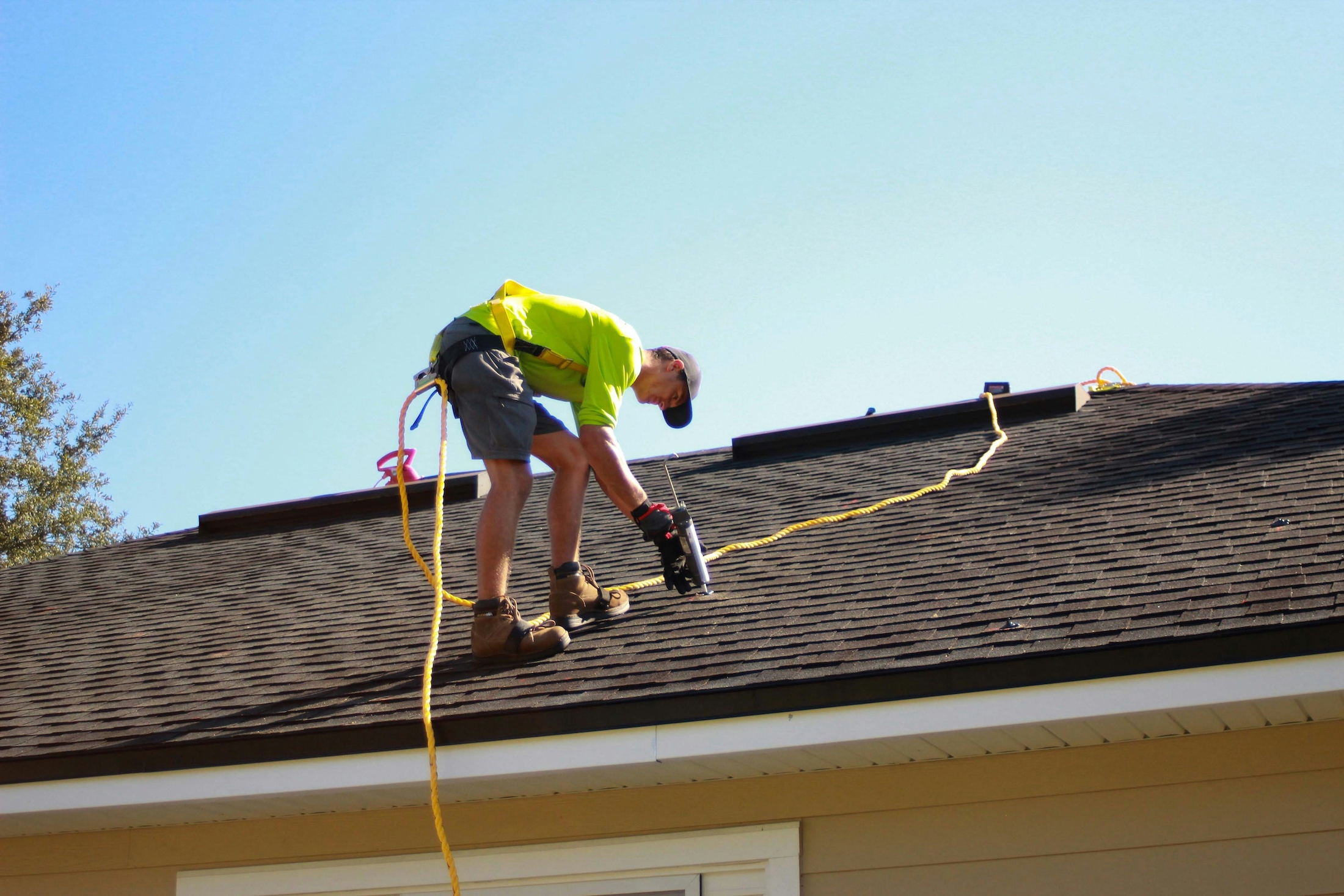
A straightforward repair typically follows inspection, estimate, scheduling, repair work, cleanup, final walkthrough, and warranty handoff to ensure consistent results and accountability. The initial inspection defines scope—usually with photos; the estimate translates that scope into a clear price and timeline and includes permit handling when needed. Repairs address flashing, shingle or membrane replacement, and any substrate repairs, followed by workmanship checks and site cleanup to restore function and curb appeal. The final walkthrough confirms satisfaction and explains the 1-year workmanship warranty, and the contractor offers maintenance tips to help extend the roof’s service life.
This step-by-step sequence leads naturally into why hiring a licensed, insured local contractor matters.
Why Choose a Licensed and Insured Local Contractor?
Hiring a licensed, insured local contractor lowers your liability, ensures work follows local codes, and speeds permitting—reducing delays and surprise costs. A license indicates trade standards and gives you recourse if workmanship issues arise, while insurance protects both you and the crew in case of accidents. Local contractors also know county inspection rules and how regional weather affects roof performance, which improves repair durability. Choosing a licensed provider supports warranty validity and smoother coordination with insurers when claims require professional documentation.
These protections directly impact repair quality and the practicalities of insurance claims discussed in the next section.
What Are Your Options for Residential and CommercialRoof Repair?
Repair approaches vary by roof type and use. Residential asphalt shingle work focuses on visual matching and targeted patching, while commercial flat roofs typically need membrane patches, seam resealing, or coatings to restore watertight performance. Material and slope determine repair methods, and access, equipment needs, and business downtime shape scheduling. The right choice balances cost, longevity, and disruption: spot shingle replacement preserves a home’s look, while membranes and coatings restore long-term function for commercialroofs. Understanding these options helps owners pick repairs that match expected service life and budget.
Below compares common roof types, typical repair methods, and timeline considerations to guide your decision-making.
Asphalt Shingle Roofs:
Common repairs include local shingle replacement and flashingrepair.
Typical timeline is 1–3 days, with attention to matching shingles for curb appeal.
Metal Roofs:
Repairs often involve panel patching, fastener replacement, and sealant work.
Usually completed in 1–2 days, with considerations for corrosion and thermal movement.
Flat / Membrane Roofs:
Repairs include membrane patches, seam resealing, and applying protective coatings.
Timeline ranges from 1–5 days, and work may be staged to avoid disrupting business operations.
This comparison helps property owners align repair choices with timeline needs and desired longevity.
Residential repairs prioritize appearance and minimal disruption; commercial work focuses on watertight integrity and phased scheduling to avoid lost business hours.
For homeowners: match shingle styles, protect landscaping, and schedule on convenient days to minimize disruption and preserve curb appeal.
For commercial clients: phase repairs, work off-hours when possible, and use proactive leak prevention to reduce downtime and liability.
These options support practical planning and contractor selection for every property type.
How Are Residential Roof Repairs Tailored for Homeowners?
Residential repairs aim to restore weatherproofing and appearance while keeping interior disruption low and protecting property value. Matching shingles and ensuring proper ventilation are key. Typical work includes replacing a shingle section, resetting flashing, and checking attic insulation to prevent repeat issues—balancing cost with visual continuity. Scheduling during fair weather, providing clear timelines, and offering weekly progress updates reduce homeowner stress and help coordinate other projects. Warranty coverage and maintenance advice given after the job help homeowners extend roof life and avoid frequent small repairs.
Careful material matching and minimizing interior impact guide homeowners weighing roof repairs versus replacement.
What CommercialRoof RepairSolutions Are Available?
Commercial repairs focus on membrane integrity, seam repairs, coatings, and phased work to keep businesses running while fixing leaks and substrate damage. These projects often require specialized equipment, safe access protocols, and adherence to commercial codes to protect employees and inventory. Scheduling off-peak hours, isolating work areas, and providing regular progress reports minimize operational disruption while ensuring durable results. Well-executed commercial repairs cut the risk of costly interior damage and support business continuity with predictable maintenance intervals.
These commercial strategies feed directly into cost planning and insurance coordination covered next.
How Much Does Roof Repair Cost in Middle Tennessee?
Use these local cost guidelines to set realistic budgets: minor shingle patches are typically the least expensive, while storm-related section repairs or deck replacement increase costs depending on materials and access. Major cost drivers include material type (asphalt vs. metal vs. membrane), roof pitch and accessibility, hidden damage to decking or rafters, labor rates, and permit fees. A transparent estimate will spell out these factors so you can compare bids and decide whether repair or replacement is the better long-term value. Thorough documentation and professional estimates also improve your chances of a favorable insurance settlement when damage is storm-related.
Below gives a regional benchmark for common repair categories, cost ranges, and primary cost drivers.
Minor Shingle Patch & FlashingRepair:
Typical Cost Range: $200–$1,200
Factors Affecting Cost: Extent of damage, shingle matching needs, roof pitch, and accessibility.
Partial Re-Roof / Section Replacement:
Typical Cost Range: $1,200–$6,000
Factors Affecting Cost: Size of the area, underlayment or deck repairs, and material choice.
Storm Damage / Large-Scale Repair:
Typical Cost Range: $2,000–$15,000+
Factors Affecting Cost: Hail or wind severity, hidden structural damage, and any emergency tarping required.
These figures are starting points; a final estimate requires an inspection to assess hidden damage and local permitting needs.
What Factors Influence Residential Roof Repair Costs?
Residential repair pricing is driven by material choice, visible and hidden damage, roof pitch and access, and local labor and permit costs. Asphalt shingle repairs usually cost less than metal or specialty coatings, but extensive deck rot or multiple penetrations quickly raise labor and material needs. Steep slopes or obstructions like chimneys and skylights require extra safety measures and add time on site. Weigh these factors against the roof’s remaining service life to decide whether replacement is more cost-effective than repeated repairs.
Knowing the cost drivers helps homeowners choose between short-term fixes and longer-term investments.
Is Roof Repair Covered by Insurance and How to File a Claim?
Storm damage—wind, hail, or a fallen tree—is commonly covered under homeowner policies; normal wear-and-tear or neglect usually is not. Proper documentation and following your insurer’s procedures are essential for a successful claim. Start by photographing the damage, making temporary repairs to prevent further loss, and getting a professional inspection plus a written estimate to submit to your insurer. Then open a claim, provide your documentation, and schedule an adjuster visit—your contractor can often attend to explain the technical findings and support the scope of work. Clear documentation and professional estimates increase your chance of fair settlements and reduce disputes over cause or scope.
Use these steps to keep the claims process organized and move repairs forward promptly.
Document damage with dated photos and notes immediately after discovery.
Obtain a professional inspection and a written, itemized estimate to present to your insurer.
Contact your insurer to open a claim, submit your documentation, and schedule an adjuster visit.
Work with your contractor to review the adjuster’s findings and finalize the repair scope.
Following these steps helps property owners navigate insurance efficiently and reduces repair delays.
Patriot Contractors serves homeowners and commercial clients across Middle Tennessee, including Smith, Putnam, Jackson, Macon, Trousdale, Sumner, Davidson, Wilson, Williamson, Overton, Dekalb, Cumberland, and Rutherford counties. The company provides free estimates, prepares inspection documentation useful for claims, and delivers weekly updates, permitting guidance, and a 1-year workmanship warranty to protect completed work. For a clear local estimate and help navigating repairs and insurance, contact Patriot Contractors by phone or email to request a free evaluation and schedule an inspection.
