


Age Gracefully: Remodeling for Safety and Accessibility
Remodeling for Accessibility and Safety as You Age: Expert Solutions for Aging in Place
As people age, keeping homes safe and accessible is essential. Accessibility and safetyremodeling improves quality of life and supports independent living. This article outlines practical home modifications that improve daily function and covers the benefits of aging-in-place remodeling, key safety upgrades, and financial considerations so homeowners can make informed choices that protect long-term well-being.
What Are the Key Benefits of Aging in Place Remodeling?
Aging-in-place remodeling delivers targeted benefits for older adults: improved daily comfort, increased safety, and preserved independence. Adapting living spaces to physical changes helps residents remain at home longer and with greater autonomy.
Accessibility upgrades—such as wider doorways, lower countertops, and non-slip flooring—make daily tasks easier and reduce accidentrisk. Additional safety measures, including grab bars and improved lighting, further support independent living and increase residents' sense of security.
Patriot Contractors specializes in home remodeling that enhances accessibility and safety for older residents. Their expertise enables solutions tailored to each household, creating safer, more comfortable living environments.
How Does AccessibilityRemodeling Improve Quality of Life?
Accessibilityremodeling makes homes easier to navigate. Typical measures include installing ramps, widening doorways, and fitting lever-style door handles to reduce reliance on others and support greater independence.
These features also lower the risk of accidents: non-slip flooring and well-placed grab bars, particularly in bathrooms, help prevent falls—a leading cause of injury among seniors—and let residents use their homes with less worry.
What Safety Enhancements Support Independent Living?

Safety enhancements are essential for independent living. Common modifications include:
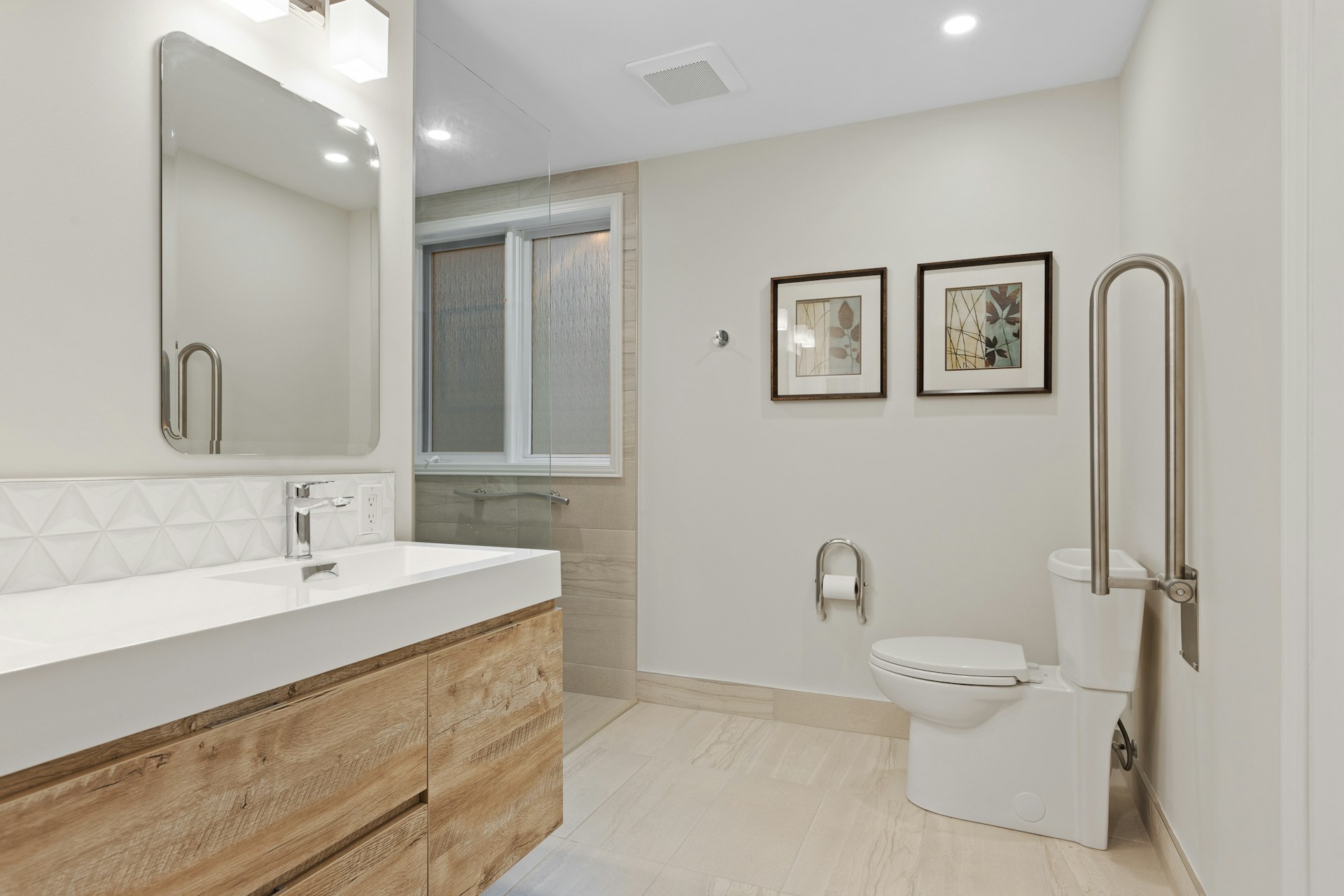
Grab Bars: Installed in bathrooms and hallways, grab bars provide support and stability, reducing the risk of falls.
Improved Lighting: Adequate lighting in all areas of the home helps prevent accidents and allows for better visibility, especially at night.
Non-Slip Surfaces: Flooring materials that offer traction can significantly decrease the likelihood of slips and falls.
These measures increase safety and help residents maintain independence and confidence at home.
Which Home Safety Modifications Are Essential for Aging Residents?
Key areas to address include bathroom, kitchen, and fall-prevention measures. Essential modifications include:
BathroomSafety Features: Installing grab bars, non-slip mats, and raised toilet seats can greatly enhance safety in one of the most hazardous areas of the home.
Kitchen Modifications: Lowering countertops and ensuring frequently used items are within easy reach can prevent accidents and make cooking more accessible.
Fall Prevention Features: Incorporating ramps, handrails, and adequate lighting can significantly reduce the risk of falls throughout the home.
Addressing these areas creates a safer home that better accommodates the needs of aging residents.
How Do Grab Bar Installations Enhance BathroomSafety?
Grab bars are a straightforward, effective way to improve bathroomsafety. Placed near showers, tubs, and toilets, they provide support when entering or exiting and reduce slip-and-fall risk.
Installations can be customized to individual needs to maximize safety and comfort, helping users feel confident using bathroom facilities independently.
What Fall Prevention Features Should Be Included in Remodeling?
Fall prevention is central to home safety. Key features include:
Non-Slip Flooring: Using materials that provide traction helps prevent slips, especially in areas prone to moisture such as bathrooms and kitchens.
Adequate Lighting: Ensuring all areas of the home are well-lit—particularly stairways and hallways—reduces accidentrisk.
Handrails: Installing handrails on at least one side of staircases provides extra support and stability for people navigating stairs.
Including these features in a remodel can materially improve safety and lower injuryrisk.
How Does Wheelchair Ramp Installation Facilitate Home Access?

Wheelchair ramps improve access for people using mobility devices. Properly designed ramps remove barriers to entry and accommodate a range of devices, allowing residents to move through their homes more easily. You can find out more about our services.
What Are the Professional Standards for Ramp Construction?
Constructing wheelchair ramps must follow professional safety and compliance standards. Key considerations include:
Slope Ratio: The recommended slope for wheelchair ramps is 1:12, meaning for every inch of height there should be at least 12 inches of ramp length.
Materials: Using durable, non-slip materials is essential for providing a safe surface for users.
Width: Ramps should be at least 36 inches wide to accommodate most mobility devices comfortably.
Adhering to these standards helps ensure ramps are safe and suitable for daily use.
Following professional standards for ramp design is important.
How Does Ramp Installation Support Mobility and Safety?
Wheelchair ramps markedly improve mobility and safety for people with physical limitations. They provide stable, independent access to the home and help preserve autonomy and dignity. For more information, visit our services.
Ramps also lower the fall risk associated with stairs. By easing access, they make homes more inclusive and better suited to residents' needs.
What Are the Cost and Financing Options for AccessibilityRemodeling?
Understanding financial aspects is essential. Costs vary by project scope, materials, and labour, but investing in accessibility can yield long-term benefits, including lower healthcare costs from falls and injuries.
How Can Homeowners Budget for Safety and Accessibility Upgrades?
Define Project Scope: Clearly outline the modifications needed to enhance safety and accessibility.
Research Local Costs: Obtain estimates from contractors to understand the project's financial implications.
Prioritize Modifications: Focus on the most critical safety features first, allowing phased implementation if necessary.
These steps help homeowners build a realistic budget that meets safety needs and project priorities.
What Grants and Financial Assistance Are Available for Aging in Place?
Various grants and assistance programs support homeowners planning accessibility modifications. Options may include:
Local and Federal Grants: Programs that offer financial assistance for home modifications aimed at improving accessibility for aging individuals.
Tax Credits and Deductions: Homeowners may be eligible for tax credits or medical expense deductions for home improvements that enhance safety and accessibility.
Non-Profit Organizations: Some non-profits provide funding or resources for individuals seeking to modify their homes for aging in place.
Exploring these options can reduce the financial burden of essential home modifications.
Conclusion
Remodeling for accessibility and safety significantly enhances the quality of life for aging individuals, allowing them to maintain independence and comfort in their homes. By implementing key modifications such as grab bars, non-slip flooring, and wheelchair ramps, homeowners can create a safer living environment that reduces the risk of accidents. Understanding the financial options available for these upgrades further empowers homeowners to make informed decisions. Discover how our expert team can assist you in transforming your home for a safer, more accessible future.
