


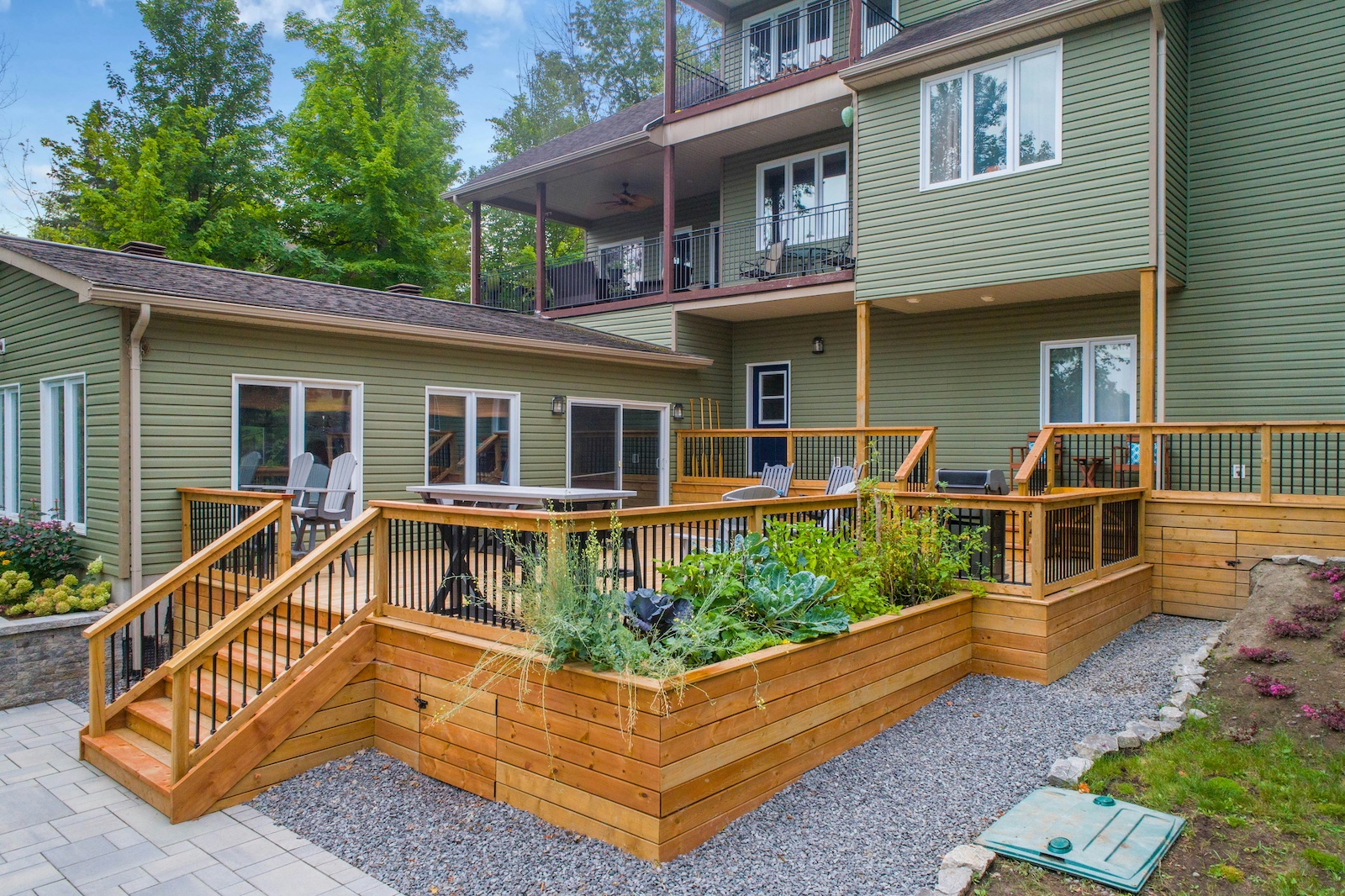
Build Your Dream Deck: Top Deck Builder in Middle Tennessee
Custom Deck Builders Middle Tennessee: Expert Deck Building Services and Cost Guide
Custom deck building in Middle Tennessee blends residential construction expertise with local climate awareness to create durable, attractive outdoor living spaces that match homeowners' lifestyle goals. This guide explains how professional deck builders approach design, material selection, permitting, costs, and repairs so readers can make informed choices for projects across Middle Tennessee counties. Homeowners researching a new multi-level deck, composite decking in Nashville, or a wood deck in Franklin will learn which materials perform best in the region's humidity and temperature swings, typical construction cost drivers, and practical steps to get accurate estimates. The article also outlines repair scenarios, design trends for outdoor living, and the county-level permitting process that often determines project timelines. Read on for clear comparisons, line-item cost guidance, EAV tables for quick decision-making, and checklists that streamline contractor conversations and permit submissions.
What Are the Benefits of Hiring Custom Deck Builders in Middle Tennessee?
Hiring custom deck builders in Middle Tennessee ensures projects meet regional construction standards and handle climate-specific challenges like humidity-driven rot and seasonal temperature variation. Professional builders deliver structural competence, code-compliant assemblies, and engineered solutions that reduce safety risks and long-term maintenance needs. Local builders combine supplier relationships and tested installation methods to recommend materials—such as composite decking or pressure-treated wood—that balance aesthetics, longevity, and cost for Middle Tennessee homes. Engaging a custom builder also streamlines permitting, inspection scheduling, and the construction sequence, which reduces delays and unexpected expenses. Understanding these benefits leads naturally to how custom decks enhance outdoor living and why local experience matters for every step of a deck project.
How Do Custom Decks Enhance Outdoor Living Spaces?
Custom decks transform fragmented yards into functional outdoor rooms by defining zones for dining, cooking, lounging, and play with multi-level layouts and built-in features. Thoughtful deck design uses joist spacing, post placement, and surface choices to create contiguous traffic flow between the house and yard while supporting outdoor kitchens, seating walls, and pergolas. Well-built decks extend usable seasons through covered areas and integrate weather-resistant materials and drainage strategies that protect substructure components. Designers often incorporate integrated LED deck lighting and durable railings to increase nighttime usability and safety, which enhances property value and daily enjoyment. These design strategies set up the next consideration: why choosing local deck builders improves material selection and construction outcomes.
Why Choose Local Deck Builders for Your Middle Tennessee Project?
Local deck builders bring practical knowledge of county codes, typical inspection expectations, and climate-tested installation practices that reduce rework and inspection delays. They maintain supplier relationships that often improve lead times on composite boards, railings, and specialty fasteners suited for Middle Tennessee's humidity and freeze-thaw cycles. Local crews also understand common site conditions—sloped lots, drainage patterns, and soil types—and can propose foundation solutions that prevent long-term settlement. Choosing local professionals simplifies communication with building officials and ensures seasonal scheduling aligns with regional weather patterns. Knowing these localized advantages helps homeowners weigh material options against performance priorities for the Middle Tennessee climate.
Which Decking Materials Are Best for Middle Tennessee Climate?
Selecting decking materials for Middle Tennessee requires weighing durability, maintenance, cost, and appearance against humidity, sun exposure, and temperature swings that affect expansion, contraction, and rot. Composite decking often resists rot and insect damage while demanding less routine staining, whereas cedar and pressure-treated wood provide a natural look but require cyclic sealing and inspection to prevent decay. PVC and capped polymer boards offer low maintenance but vary in scratch resistance and heat retention under full sun. Evaluating materials by durability, upkeep frequency, cost, and climate suitability clarifies trade-offs and points toward long-term value for Middle Tennessee installations. The following compares typical material attributes to simplify decision-making in local contexts.
Different decking choices deliver distinct performance profiles that align with homeowner priorities for maintenance, lifespan, and look.
Composite Decking:
Durability: High — resists rot and insects
Maintenance: Low — only requires periodic cleaning
Climate Suitability: Excellent for humid summers and freeze–thaw cycles
Pressure-Treated Wood:
Durability: Moderate — strong structural performance
Maintenance: High — needs staining or sealing every 2–3 years
Climate Suitability: Acceptable if regularly maintained and properly ventilated
Cedar:
Durability: Moderate — naturally rot-resistant
Maintenance: Moderate — annual sealing is recommended
Climate Suitability: Performs well with routine care; also valued for its aesthetic appeal
PVC / Polymer:
Durability: High — fully moisture-resistant
Maintenance: Low — simple washing, though surface heat should be monitored
Climate Suitability: Very good in moisture-heavy climates; evaluate heat retention in full sun
This comparison shows composite and PVC options reduce maintenance needs, while wood choices require planned upkeep; owners should prioritize material attributes based on long-term maintenance willingness and aesthetic preference. Understanding these trade-offs frames the specific advantages of composite decking in Nashville and how wood compares to synthetics.
What Are the Advantages of Composite Decking in Nashville, TN?
Composite decking offers consistent performance in Nashville's climate by combining polymer and wood fibers to resist moisture, rot, and insect damage that commonly affect traditional lumber. The material's capped surfaces limit water absorption and make cleaning straightforward, reducing the frequency of sealing or staining compared with pressure-treated wood. Composite boards come in a range of finishes and color palettes that support modern design trends—dark palettes, textured grain, and low-gloss options—while delivering predictable expansion rates that installers account for during joist spacing and fastener selection. Sustainable manufacturing and long warranties often accompany composite products, making them attractive for homeowners focused on lifecycle cost and low maintenance. These installation benefits lead to a direct comparison between wood, composite, and PVC options to help buyers prioritize appearance versus upkeep.

How Do Wood Decks Compare to Composite and PVC Options?
Wood decks—whether pressure-treated pine or cedar—provide a natural aesthetic and lower upfront material cost but require more regular maintenance, including staining, sealing, and inspection for rot at joints and ledger connections. Composite boards trade a higher initial material cost for reduced long-term maintenance and improved resistance to moisture-related failures, which can be significant in Middle Tennessee's humid summers. PVC decking offers the lowest moisture absorption and easy cleaning, though some products retain more surface heat and can show cosmetic scratches differently than composites. When evaluating choices, homeowners should compare lifecycle cost, desired appearance, and willingness to perform routine maintenance to select the best match for their property and budget. This material decision directly influences overall construction cost and maintenance planning for a new deck.
How Much Does Deck Construction Cost in Middle Tennessee?
Deck construction cost in Middle Tennessee spans a wide range depending on size, materials, design complexity, and site conditions; typical per-square-foot ranges offer a starting point for budgeting and contractor conversations. Basic pressure-treated wood decks often fall at the lower end of per-square-foot estimates, while composite and PVC assemblies with upgraded railings, lighting, and pergolas push costs higher. Major cost drivers include decking surface type, railing system, stairs, integrated lighting, site preparation, and permit fees, each of which alters the final line-item total. For quick planning, consider per-square-foot ranges plus a breakdown of main feature costs to build a realistic budget before soliciting bids. Below provides feature-level typical cost ranges to guide initial estimates and prioritize upgrades.
Deck Surface (per sq ft):
Characteristic: Wood, composite, or PVC materials
Typical Cost Range: $15–$45 per sq ft
Railings:
Characteristic: Cable, composite, or glass railing options
Typical Cost Range: $30–$80 per linear ft
Stairs:
Characteristic: Single or multi-run designs, with optional lighting
Typical Cost Range: $300–$2,000+ total
Integrated Lighting:
Characteristic: LED step lighting and rail lighting
Typical Cost Range: $200–$1,200 total
Pergola or Cover:
Characteristic: Timber or composite overhead structure
Typical Cost Range: $1,000–$6,000+ total
This clarifies how choices stack into the total project cost and highlights that material selection and added features are primary levers for budget control. With these ranges in mind, homeowners can better compare contractor bids and assess where value-oriented upgrades make sense.
What Factors Influence Deck Building Costs in Middle Tennessee?
Site conditions and design complexity are principal cost drivers: sloped lots, limited access, or necessary demolition increase labor and foundation expenses compared with flat, accessible properties. Material choice drives both initial and lifecycle costs; premium composites and high-end railings raise upfront expenses but often reduce long-term maintenance budgets. Labor rates, permit fees, engineering requirements for elevated or multi-level decks, and integration of features such as outdoor kitchens or pergolas also influence final totals. Seasonal scheduling and supply availability can affect lead times and material pricing, particularly in the current market where demand and supply chain dynamics remain fluid. Recognizing these factors helps homeowners ask targeted questions when evaluating contractor proposals and preparing contingency budgets.
How Can You Get an Accurate Deck Cost Estimate?
An accurate estimate starts with precise measurements, a defined feature list, and clear material specifications, which allow contractors to produce line-item bids that are comparable across providers. Provide scaled plans or basic sketches that indicate deck footprint, stair locations, railing preferences, and any built-in elements to reduce assumptions in bids. Request itemized proposals that separate material, labor, permit, and contingency line items and ask for manufacturer specifications for decking and railing products to validate warranty coverage. Use a consistent checklist when comparing bids and consider including a clause for unforeseen site conditions; this process increases estimate accuracy and simplifies final contractor selection. These estimating steps lead naturally into a practical checklist for comparing bids and ensuring apples-to-apples quotes.
Measure and Sketch: Provide precise deck dimensions and site access notes to each bidder.
Define Materials: Specify decking, railing, and fasteners so estimates use the same assemblies.
List Features: Note stairs, integrated lighting, pergolas, and outdoor kitchen provisions.
Request Line-Item Bids: Ask contractors to separate materials, labor, permits, and allowances.
Using this checklist ensures bids are comparable and reduces surprises during construction, which leads into considerations about repair, maintenance, and when professional intervention is required.
What Deck Repair Services Are Available in Franklin and Surrounding Areas?
Common deck repair services in the Franklin area address localized wood rot, loose railings, failed fasteners, and structural issues around ledger attachments and footings. Professional teams perform thorough inspections to identify surface decay versus structural compromise, then propose remediation that ranges from board replacement and fastener upgrades to joist and post replacement when necessary. Repair scopes often include preventive measures—improved drainage, ventilation, and installation of rot-resistant materials—to extend the repaired system's lifespan. Understanding repair options and typical outcomes helps homeowners decide between targeted restoration and full replacement based on safety, cost, and longevity considerations. Below outlines frequent issues, professional approaches, and typical outcomes to guide remediation decisions.
Surface Rot on Deck Boards:
Professional Approach: Replace damaged boards and improve ventilation
Typical Outcome / Cost: Restored deck surface; low to moderate cost
Loose or Wobbly Railings:
Professional Approach: Reinforce anchorage and replace necessary hardware
Typical Outcome / Cost: Secure, stabilized railings; moderate cost
Joist or Ledger Rot:
Professional Approach: Replace compromised framing and properly secure the ledger
Typical Outcome / Cost: Full structural restoration; higher cost
Fastener Corrosion:
Professional Approach: Replace with stainless steel or other corrosion-resistant fasteners
Typical Outcome / Cost: Improved long-term durability; low cost
This clarifies that prompt, targeted repairs often restore function affordably, while structural rot typically requires more substantial investment and may trigger replacement discussions. With common repairs understood, the next section details how professionals address wood rot specifically.
How Do Professionals Address Common Deck Repairs Like Wood Rot?
When professionals encounter wood rot they begin with a comprehensive inspection that assesses the extent of decay, tests joist integrity, and examines ledger connections for moisture intrusion. The repair process typically removes all compromised members, installs rot-resistant replacement materials or engineered connectors, and improves flashing and drainage to prevent recurrence. Technicians often upgrade fasteners to stainless or coated options and ensure correct ventilation under the deck surface to reduce trapped moisture and prolong service life. After repairs, contractors may apply preservative treatments or recommend switching to composite materials in high-risk locations; these preventative steps reduce future maintenance and set up a discussion about when replacement is the more cost-effective choice.
When Is Deck Replacement Recommended Over Repair?
Replacement becomes recommended when rot affects a large portion of the structural framing, when ledger failure compromises attachment to the house, or when the cumulative cost of repeated repairs approaches the price of a new, code-compliant deck. Homeowners planning major design changes, such as converting a single-level deck to a multi-level outdoor living system or adding substantial loads like outdoor kitchens, should opt for replacement to ensure engineered support. Long-term lifecycle costs and safety considerations often favor replacement when visible deterioration extends to joists, posts, or footings, or when older construction lacks modern flashing and fastener standards. Evaluating repair versus replacement requires weighing immediate expense against ongoing maintenance and safety, which connects to design choices that influence longevity and usability.
How Can You Design Outdoor Living Spaces to Complement Your Deck?
Designing outdoor living spaces that complement a deck involves zoning for activities, selecting materials that coordinate with landscape elements, and considering flow between the house, deck, and yard to maximize usability. Biophilic elements—planter integration, natural screening, and shade structures—soften transitions and support privacy while maintaining visual connection to surrounding vegetation. Integrating durable outdoor kitchens, seating walls, and weather-ready fabrics expands functionality for design trends that favor multi-level layouts and dark, refined palettes. Careful material selection and color coordination between decking, railings, and landscape features ensure cohesive aesthetics and simplify maintenance planning. These design considerations naturally lead into the most popular features homeowners are installing to modernize outdoor living.
Integrated Outdoor Kitchens: Built-in grills, counters, and weatherproof storage enhance entertaining functionality.
Multi-Level Seating Zones: Defined platforms create intimate areas for dining and lounging.
Biophilic Planters and Screening: Built-in planters and green screens blend the deck with landscaping.
Incorporating these features requires coordination with structural design and utility planning, which leads to specific lighting and railing choices that improve both safety and ambiance.
What Are Popular Outdoor Living Features for Deck Designs?
Deck designs emphasize multi-level layouts, integrated kitchens, and dark, textured palettes that give outdoor spaces a refined, contemporary look. Designers prioritize durable finishes and low-maintenance materials that support year-round use and reduce long-term upkeep, such as capped composites and corrosion-resistant railings. Built-in seating, privacy screens, and planters create layered zones that cater to dining, cooking, and relaxation while supporting biophilic connections to surrounding landscapes. These features often require early coordination with structural plans and utilities for gas, water, and electrical connections to avoid costly retrofits. Considering these trends helps homeowners prioritize upgrades that increase both enjoyment and property value.
How Do Integrated Lighting and Railings Improve Deck Functionality?
Integrated lighting and modern railings enhance safety, extend usability into evening hours, and contribute to the deck's visual character while minimizing maintenance compared with ad hoc fixtures. LED step lights, low-profile post caps, and recessed rail lighting provide even illumination that reduces trip hazards and expands entertaining hours without overwhelming glare. Cable, glass, and composite railing systems offer differing transparency, sightline control, and maintenance profiles, allowing homeowners to balance openness with privacy and durability. Choosing integrated systems during design ensures wiring and conduit are concealed and protected, which reduces retrofit costs and preserves clean aesthetics. These lighting and railing choices segue into permitting considerations, since elevated or modified structures often trigger local permit and inspection pathways.
What Are the Local Permitting Requirements for Deck Building in Middle Tennessee?
Permits are commonly required for elevated structures, structural changes, and new attachments to a residence across Middle Tennessee counties, though exact fees and documentation vary by jurisdiction. Typical permit workflows include plan submission with scaled drawings, structural details for attachments and footings, payment of fees, and scheduled inspections at framing, ledger, and final stages. Contractors often manage permit submissions and coordinate inspections to streamline timelines, but homeowners should expect requirements for engineered plans when decks exceed certain heights or spans. Understanding the general permit process helps homeowners prepare accurate scopes and reduces back-and-forth with local building departments, which in turn shortens overall project duration. The next subsection outlines how permits typically vary across counties and what to confirm with local offices.
How Do Permits Vary Across Middle Tennessee Counties?
Permit variations across Middle Tennessee include differences in required drawing detail, fees, turnaround times, and whether engineered calculations are necessary for elevated or multi-level decks. Some counties require full engineered plans for decks above a specific height or with non-standard loads, while others accept contractor-stamped drawings for typical residential decks. Inspection scheduling windows and the number of inspections required can differ, influencing the project timeline by days or weeks depending on local office capacity. Homeowners should check their county's building department checklist to identify specific document requirements, which reduces resubmissions and permits-related delays. Knowing these county-level nuances prepares property owners to compile correct paperwork and coordinate permits efficiently.
What Is the Process for Obtaining Deck Building Permits?
Obtaining a deck permit typically begins with preparing scaled plans that show deck footprint, elevations, footing dimensions, ledger details, and railing specifications, then submitting those plans with permit applications and payment to the local building office. After plan review, the department either approves, requests clarifications, or requires additional engineered documentation; once approved, scheduled inspections occur at critical stages such as footings, framing/ledger, and final completion. Contractors commonly handle submissions and inspection coordination to maintain schedule continuity, but homeowners should verify that the permit lists the contractor and scope correctly to avoid liability gaps. Preparing complete documents and understanding inspection milestones speeds approvals and keeps the construction timeline predictable.
Conclusion
Engaging custom deck builders in Middle Tennessee ensures that your outdoor living space is tailored to withstand local climate challenges while enhancing your home's aesthetic appeal. By understanding the benefits of professional expertise, material selection, and design trends, homeowners can make informed decisions that lead to long-lasting enjoyment and value. Take the next step in transforming your outdoor area by exploring our range of services and materials tailored for your needs. Contact us today to start planning your dream deck!
