


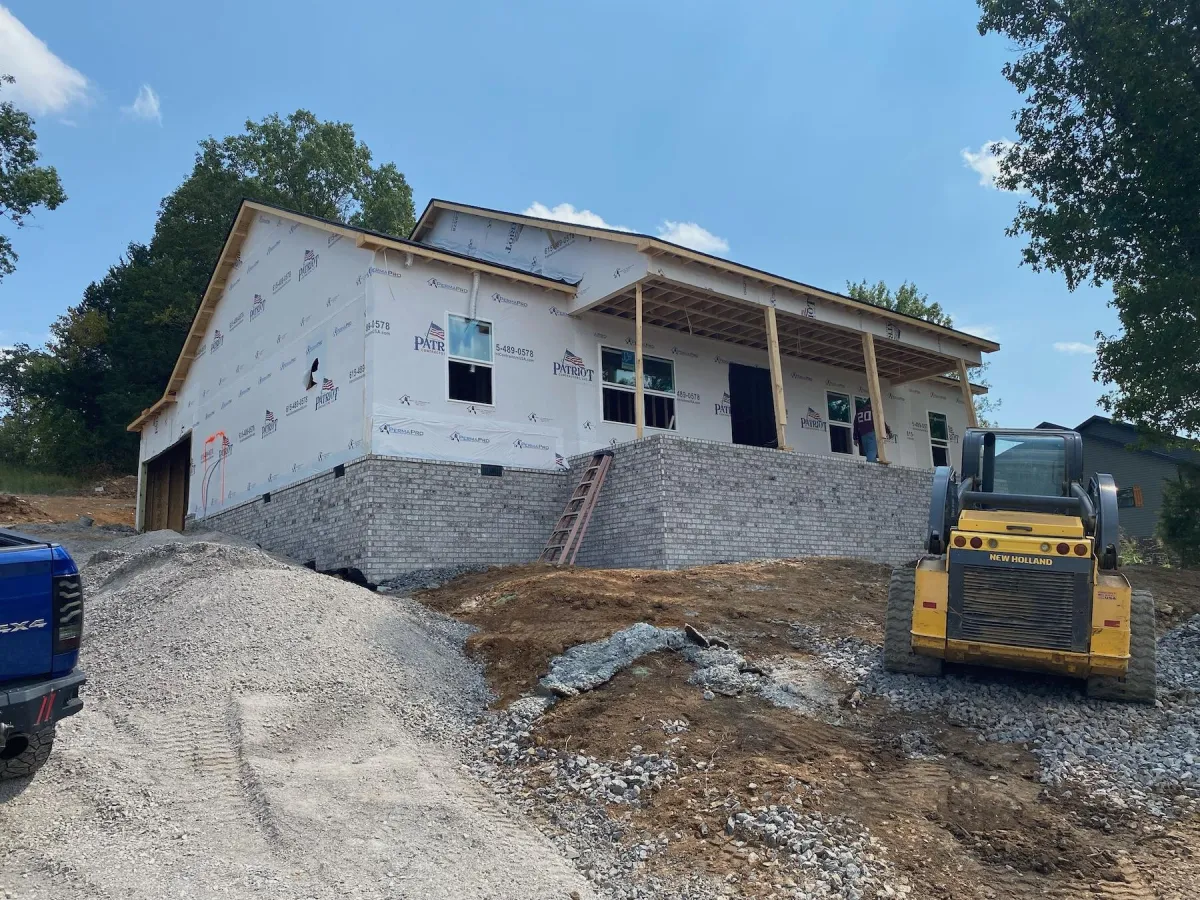
Build Your Dream Home: Essential Steps with New Construction
Steps to Building Your Dream Home: A Custom Home Building Process Guide
Building a custom home follows a series of planned steps that turn your design ideas and the realities of a site into a finished house while reducing cost surprises and construction risks. This guide walks you through defining your vision and budget, evaluating and readying land in Middle Tennessee, managing permits and financing, and moving through construction from groundbreaking to move-in. You’ll find practical checklists, permit-and-finance maps, and phase-by-phase expectations so you can make smart decisions, avoid common pitfalls, and communicate clearly with architects, builders, and inspectors. The guide highlights regional considerations for Middle Tennessee and outlines the owner decisions that control quality, schedule, and cost. Throughout, you’ll see clear action items, short lists for quick answers, and reference tables that break down typical budget categories, permit responsibilities, and phase deliverables.
How Do You Define Your Vision and Budget for a Dream Home?
Defining your vision and budget means turning lifestyle priorities into a clear scope of work and a realistic cost plan so you can trade features without being surprised by extra costs. A well-defined vision steers design choices (layout, energy efficiency, accessibility), while a line-item budget assigns funds to land, site work, construction, permits, and contingencies to limit risk. Setting this framework early improves conversations with architects and builders and helps you choose features that give the best value per dollar. Use the short checklist below to frame your vision and budget before you seek professional estimates.
The budget checklist helps you clarify priorities and the biggest cost drivers:
Pick three non-negotiable features you want in the house.
Assign rough percentages to land, construction, and finishes.
Reserve at least 10% for contingency against site or design surprises.
Account for soft costs like permits, design fees, and utility hookups.
These steps create a common language for early talks with designers and builders and lead into a basic cost breakdown that makes trade-offs visible.
Budget line items behave differently; the points below summarizes common categories and what to watch for when estimating.
Land Acquisition
Typical Cost Range: Varies widely by location
Notes: Includes lot price, closing costs, and site easements
Site Work & Prep
Typical Cost Range: $5,000–$50,000+
Notes: Grading, clearing, soil remediation, and utility hookups
Construction (Hard Costs)
Typical Cost Range: Major percentage of total
Notes: Foundation, framing, building envelope, systems, and finishes
Soft Costs & Contingencies
Typical Cost Range: 10–20% of project
Notes: Permits, design, inspections, and unforeseen issues
What Are Key Features to Consider in Your Dream Home Design?
Key design features are the concrete ways your vision becomes usable space and they drive most decisions about layout, materials, and systems. Think about how you use space daily, any accessibility needs, the energy performance you want, and the comfort systems that matter most—these choices affect construction methods and long-term operating costs. Prioritize features that fit your lifestyle: an open living area supports social life, extra bedrooms help resale and family growth. When you talk to an architect or builder, use short decision lists to turn preferences into measurable specs that guide cost estimates and material selections.
These priorities feed directly into the budget and site decisions discussed next, connecting your program choices to construction impacts.
How Do You Set a Realistic Budget for Custom Home Construction?
A realistic budget blends market-based cost estimates with contingency planning and staged approvals to limit surprises during construction. Begin with ballpark per-square-foot figures for your area, then add specific hard-cost items and soft costs like permits and design fees. Use the table above to refine allocations and keep a contingency fund for site-specific surprises such as poor soil or difficult access. Get professional estimates early and update the budget at each design milestone so your goals and finances stay aligned.
Regular budget reviews help keep your vision achievable as design details and site realities evolve.

What Are the Essential Steps to Finding and Preparing Land in Middle Tennessee?
Finding and preparing land in Middle Tennessee combines location priorities with technical site checks to avoid costly surprises later. Start by narrowing neighborhoods based on commute, schools, and nearby services, then order site surveys, soil tests, and floodplain checks to confirm buildability. Early knowledge of zoning and utilities shortens permit timelines and clarifies site-prep scope—clearing, grading, erosion control, and utility extensions. The list below summarizes the top evaluation factors to check before you commit to a parcel.
Key site evaluation factors for Middle Tennessee include:
Location and access: commute times and proximity to amenities.
Utilities: availability of water, sewer, electric, and broadband.
Soil and topography: borings and slope will affect foundation choice.
Zoning and covenants: setbacks, lot coverage, and permitted uses.
Floodplain and drainage: insurance needs and mitigation requirements.
These checks reduce risk and lead into the site-preparation sequence that turns a raw lot into a buildable pad.
Which Factors Should You Evaluate When Selecting a Building Site?
Choosing a building site is a balance of cost, convenience, and constructability; targeted checks directly affect budget and schedule. Get a site survey to confirm boundaries and easements, and order geotechnical testing to determine bearing capacity and drainage fixes. Review zoning and neighborhood covenants for setback and design limits, and verify access for construction equipment—narrow roads or bridges can add cost. Prioritize the factors that will have the biggest impact on your project: a private, remote lot may cost less but often raises utility-extension and site-prep expenses.
Site choices influence foundation type and the site costs shown in the budget table above.
How Is Site Preparation Done for New Home Construction?
Site preparation turns a lot into a stable platform through clearing, grading, erosion control, and foundation preparation—each step reduces downstream risk. Contractors typically start with tree and brush removal, set erosion controls, and do rough grading to ensure proper drainage before foundation excavation. Utility trenches and temporary access roads follow, with soil compaction tests and subgrade prep for the selected foundation type. Thorough site prep shortens foundation work and helps prevent framing and systems delays.
Clear site-prep plans reduce change orders and keep the schedule predictable, supporting financing and permitting milestones discussed next.
How Do You Navigate Permits, Financing, and Choosing the Right Home Builder?
Navigating permits, financing, and builder selection is a coordinated project-management task that keeps your schedule, budget, and legal requirements in sync. Permits need accurate plans and designated applicants; financing needs lender documents and timing that match construction milestones. Choosing the right builder means vetting experience, communication style, and warranty promises so you get dependable workmanship and clear accountability. Below are the essential permit and financing steps for Tennessee to guide your early planning.
Common permit and financing steps include:
Submit building plans to the local county or city for plan review.
Secure a constructionloan or construction-to-permanent financing.
Coordinate permit issuance timing with site work and foundation start.
These steps create a workflow that aligns lender disbursements with construction milestones and municipal inspections, reducing the risk of funding or approval gaps.
What Are the Tennessee Building Permit Requirements for New Homes?
Typical Tennessee permits include a building permit, electrical permit, plumbing permit, mechanical permit, and any local environmental or septic approvals—requirements vary by county. Applicants usually submit plans, energy compliance paperwork, and site surveys; processing time depends on local office workload and how complete the application is. For new construction, plan review happens before permit issuance, and inspections are scheduled for foundation, rough-ins, and final occupancy. Working with a local contractor or project manager who knows county processes speeds approvals and reduces re-submissions.
Patriot Contractors can help coordinate permits and local submissions to streamline reviews and align inspections with your construction schedule.
Building Permit
Who Applies:Builder or owner
Typical Timeline: 2–6 weeks (varies by county)
Electrical Permit
Who Applies:Licensed electrician
Typical Timeline: 1–3 weeks
Plumbing / Mechanical Permit
Who Applies:Licensed subcontractors
Typical Timeline: 1–3 weeks
How Can You Secure Construction Financing for Your Dream Home?
Construction financing typically comes as short-term construction loans or construction-to-permanent loans that convert when the build is complete; lenders review your plans, budget, and credit. Engaging lenders early secures approved draws tied to milestones like footings, framing, and final inspection. Lenders usually request detailed budgets, plans, land information, and builder contracts; some require contingency escrow. Planning financing to match permit and site schedules prevents funding gaps that can stall work.
Aligning lender draw schedules with your contractor’s payment plan is essential to keep cash flow steady and the build on track.
Why Choose Patriot Contractors as Your Custom Home Builder?
Patriot Contractors (Patriot Contractors, LLC) offers local project management and site-evaluation services to help owners turn designs into realistic budgets and schedules. The company is licensed (License #78382), insured, and backs its work with a 1-year workmanship warranty, giving clear accountability for construction quality and after-completion support. With an A+ Better Business Bureau rating and experience serving Middle Tennessee counties, Patriot Contractors can assist with permit coordination, site prep, and transparent estimates to help owners weigh trade-offs. If you’re ready for a local partner, contacting the company is a practical next step to get a tailored estimate and begin permit workflows.
This support ties directly to the selection checklist and financing steps above to reduce owner risk during construction.
What Are the Key Construction Phases from Groundbreaking to Move-In?
Construction moves through predictable phases—foundation, framing, rough-ins, finishes, inspections—each with clear deliverables and timelines you should watch. A phase plan helps you schedule selections, inspections, and financing draws while your builder coordinates subcontractors and quality checks. The numbered list below shows the typical sequence of major milestones to set realistic expectations for move-in timing.
Foundation: excavation, footings, slab or pier work, and initial inspection.
Framing: erecting structural walls, roof system, and sheathing inspections.
Rough-ins: electrical, plumbing, and HVAC systems installed and inspected.
Finishes: insulation, drywall, paint, flooring, cabinetry, and exterior cladding.
Final inspections and walkthrough: punch list resolution and warranty handover.
This timeline ties decisions and inspections to concrete outputs and leads into a compact points showing typical durations and outputs for each major phase.
Phase: Foundation
Typical Duration: 1–3 weeks
Key Outputs: Footings, slab or pier installation, foundation inspection
Phase: Framing
Typical Duration: 2–6 weeks
Key Outputs: Structural shell, roof framing, framing inspection
Phase: Rough-ins
Typical Duration: 2–4 weeks
Key Outputs: Electrical, plumbing, and HVAC rough inspections
Phase: Finishes
Typical Duration: 4–12 weeks
Key Outputs: Interior finishes, exterior cladding, and systems testing
What Happens During Foundation and Framing Stages?
In the foundation and framing stages, contractors turn engineered plans into a stable structure by addressing soil conditions, footing design, and load paths that support the building. Geotechnical findings determine foundation type; correct execution and footing inspections protect long-term performance. Framing creates the building envelope, and timely inspections confirm the work matches structural plans and code. During framing, owners typically confirm layout details and window/door placements since those choices affect finishes and systems routing.
These structural milestones directly precede rough-in work, where mechanical systems are integrated into the framed shell.
How Are Electrical, Plumbing, and HVAC Rough-Ins Completed?
Rough-ins are coordinated steps where trade subcontractors install conduits, drain lines, ductwork, and service pathways before walls are closed; inspections verify code compliance. Trades work to a schedule to avoid rework: finish framing, complete mechanical/electrical/plumbing roughs, then request inspections. Good site access and staging speed rough-ins and reduce change orders; owners should finalize major fixture locations before rough-ins begin. Proper coordination here shortens the finish phase and cuts the number of punch-list items at final walkthrough.
Once rough-in inspections pass, finish work can proceed without hidden conflicts, keeping the project on schedule toward move-in.
What Are the Final Exterior and Interior Finishes?
The finishing stage turns the shell into a livable home: exterior cladding, roofing, trim, interior drywall, paint, flooring, millwork, and fixtures—your earlier selections become reality. Timely procurement and clear selection lists prevent finish delays that can push back occupancy. Quality control during finishes—smooth drywall, even paint coverage, correct floor installation—reduces punch-list items at final walkthrough. Owners should track finish progress and confirm scheduled inspections for systems and energy compliance.
Smooth finishes are the result of early decisions and steady communication between owner, builder, and subcontractors.
How Do Final Inspections and Walkthroughs Ensure Quality?
Final inspections and walkthroughs are formal checkpoints that confirm code compliance and contract completion and set up warranty coverage and document handover. Municipal final inspections verify life-safety systems and occupancy readiness, while the contractor compiles a punch list to correct any remaining items. A structured walkthrough that uses a written punch list and references warranty terms helps ensure issues are fixed promptly; Patriot Contractors’ 1-year workmanship warranty provides a defined period for corrective work. Complete handover documentation—warranties, as-built notes, and maintenance guidance—helps owners move in with confidence.
These closing steps finish quality assurance and provide the legal and operational records you’ll need to care for your new home long-term.
Conclusion
Building your dream home is a rewarding journey that combines careful planning, budgeting, and collaboration with skilled professionals. By following the outlined steps, you can minimize risks and ensure that your vision is realized within your desired timeline and budget. Take the next step towards your dream home by reaching out to Patriot Contractors for a tailored estimate and expert guidance. Start your journey today and transform your ideas into reality.
